




The Complete Buying Guide To Korean Soju in Singapore
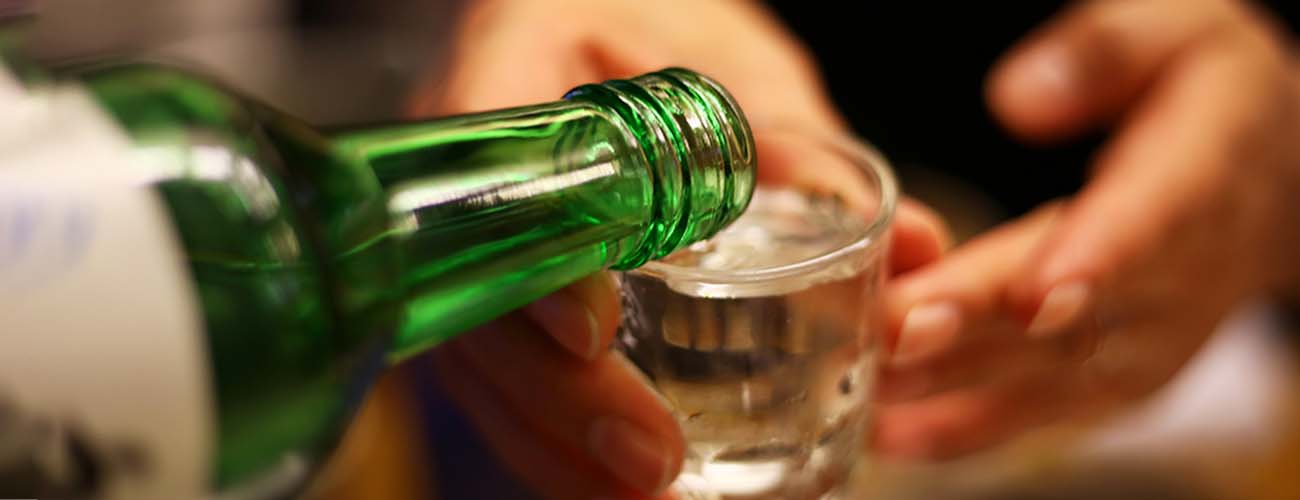
Think soju, think Korea. There is probably no more iconic drink than soju in Korea, which has been produced on the peninsula for thousands of years. Slightly sweet, soju tastes a little like vodka, although brands such as Lotte Chilsung, Korean Traditional Liquor and Chuga each create soju with its own distinct flavour profile. Whether you’re brand new to soju or a seasoned connoisseur of the drink, this buying guide will take you through all you need to know about this beautiful distilled beverage, including its history, production, flavour, mixing options and where to buy it in Singapore.
Soju Production Has A Long And Complicated History
Soju’s history takes us back to the Korean Peninsula of the third century AD, although its production since then has been marked by invasions, wars, and commercialisation. Soju developed alongside many other Asian and Middle Eastern nations, borrowing techniques and practices from China, Persia, the Levant and Mongolia. Today, it has become fundamentally Korean, and exported as a unique product in its own right.
Early soju production
Brewing of alcohol in Korea was first noted in the Goguryeo Kingdom (37BC – 668 AD), specifically through a combination of nuruk (fermentation mix) and malt. Alcohol brewing over this time developed in tandem with Chinese brewing techniques, and the two nations exchanged strategies for alcohol production for many years. It was referred to as sul, which came from the Chinese words su (water) and bul (fire), a nod to the visual characteristics of fermented liquid. By the time of the Goryeo Dynasty (918 – 1392 AD), frequent trade existed with the Song Dynasty in China, and alcohol in Korea had an established history, notably linked with ceremonies and celebrations.
Distillation techniques introduced by the Mongols
Modern soju history in Korea owes a debt to the Mongols. Whom, it should be mentioned, owe it to the Persians, who owe it to the Arabs. In the 12th century, Arabs in the Eastern Mediterranean invented the technique of alembic distillation, which allowed them to produce a drink known as arak, made of grapes and aniseed. From there, arak spread throughout Persia. Later, during the mid-13th century, the Mongols launched a series of invasions across Persia, during which they acquired the arak distillation technique being practised there. Around the same time, the Mongols began invading Goryeo, which marked the introduction of new brewing methods into the Korean peninsula. Distilleries were set up in Gaegyeong, which was the nation’s capital at the time. Such was the influence of arak on the area that even in present-day Gaegyeong (Kaesong, North Korea), soju is still referred to as arak-ju. However, the modern descendent of the drink comes from Andong, South Korea, which combined the innovative techniques of alembic distillation with pre-existing alcohol brewing techniques of centuries past. Andong was the then logistical centre of the Mongol leader Kublai Khan, grandson of Genghis Khan, giving it a significant boost in status for centuries to come.
The great soju divide
Soju production today is divided into traditional distilled soju and commercial diluted soju.
Traditional soju hails from Andong
Traditional, distilled soju follows the method adopted in Andong — it is made by fermenting and distilling a rice mixture. The process begins with the fermenting enzyme we mentioned earlier: nuruk. This wheat-based enzyme is mixed with water, placed into a mould, pounded, and left to dry, age and ferment. It is left looking like a rock-hard cake. After three weeks of fermenting, the disk is pulverised in a mortar, which is then mixed with a batch of steamed, cooled white rice and water. 12 days later, when the mixture has fermented as much as is needed, it is ready for boiling and distillation. This takes place in a sot, or cauldron, via a soju gori, a two-storied distilling appliance with a pipe. A flour dough is used to seal the gaps in the container so that no steam escapes. The vaporised, heated liquor turns into steam, which is then cooled, allowing the alcohol content to condense and filter down through the pipe.
Modern soju: birth child of the Korean War
Commercial diluted soju has more recent origins. During the Korean War of the 1950s, rice shortages swept the country, and soju producers had to look to alternative grains and starches to produce the liquor. These included wheat, barley, potato, sweet potato and tapioca. By introducing cheaper food products, soju production costs dropped, as did the price of a standard bottle. Add in the advent of flavourings, and suddenly soju production became a hit sensation, dominating a wide variety of age groups and social demographics.
Most soju you buy from the shelves today is commercial soju sold in the signature green bottles. Despite that, you can still buy from soju brands which incorporate traditional methods of production into their liquor. There is also a resurgence in interest for artisanal soju, particularly in Korea. Soju, by some measures, is the most popular drink in the world: for instance, in 2004 alone, 3 billion bottles of soju were consumed, just in South Korea. Tens of millions of cases are produced and exported across Asia each year, and there’s a good reason: soju tastes absolutely amazing!
What Does Soju Taste Like?
Soju is often described as a slightly sweet vodka. Like vodka, soju is known for being flavoured heavily, with the juices and essences of peach, pineapple, grape, apple and blueberry, to name a few.
To give you an idea of soju’s strength, consider its alcohol by volume (ABV) content, which is typically anywhere between 13% and 53%. This constitutes a huge range, and caters to a wide variety of alcohol tolerance between people. Most commercial soju you can buy today range from between 20% to 30% ABV, reflecting a shift in popularity towards lower alcohol-content liquors.
Knockout Soju Brands
The wonderful thing about soju is that whatever your price point, there is a brand for you.
Brands such as Lotte Chilsung offer bottles of soju for as cheap as $10, such as this Chum Churum Soju 17%. Light, delicate and crisp, this soju features low calories and a low ABV, making it an accessible option for those who struggle with starchy, strong liquors. The Chum Churum range also comes in flavours of grape and blueberry, so you can experiment with each to see which is your favourite. If you’ve got a hankering for more flavours, though, we would recommend buying a six pack of OneShot soju, where you can try original, green grape, mango, peach, watermelon and lychee to see which you like best. While the original soju bottle comes at 14% ABV, the other flavoured drinks are just 10% ABV, making them palatable and delicious for all.
Get the best bang for your buck with a bulk pack Chuga soju! If you know what flavours you like, you can buy 20 bottles of Chuga Muscat Grape Soju for just $169.90. This value-pack is ideal for parties or for those who enjoy soju on a regular basis. Uiseong Korean apples and a charcoal filtration process combine to create a sweet earthy flavour, which is at once delicate and hearty. Alternatively, lychee fans can try the Chuga Lychee Soju, which you can also take home for just $169.90.
Those looking to experiment with fine-quality soju should make their way to Korean Traditional Liquor. Try a bottle of the brand’s Mir 22, which is made solely of rice, water and yeast. Aged for an entire year, you will notice the rich flavours of rice come to the fore clearly in this mix. Alternatively, try the stronger taste of Mir 40, featuring a 40% ABV. Korean Traditional Liquor is also one of the only brands to pay homage to its traditional Andong roots, which it does through its Fork Liquor Andong Soju. Handmade with the clear waters of Andong, exceptional quality rice and the original fermentation starter, this bottle shines, and is a go-to if you’re after the essential taste of the drink.
How Do You Drink Soju?
Try soju with pork belly or kimchi
Soju is served as an accompaniment to meals across Korea, and it is rare to find a restaurant that doesn’t contain a few dozen bottles in the fridge. The drink pairs well with most dishes. Korean barbeque is by far the most popular anju (the Korean name for food consumed with alcohol), in particular the meat known as Samgyupsal (grilled pork belly). The rich, juiciness of the meat couples well with the bittersweetness of the liquor. Other meats such as fried chicken and soondae (Korean blood sausage) are standard choices. Among seafood pairings, dried squid is a popular option, as are anchovies, crab, octopus, grilled shellfish and maeuntang (spicy fish stew). Ramen is also popular, as the salty taste serves as a nice follow-up, particularly for strong sojus. These meat and fish dishes are often served with kimchi, giving a spicy addition to your drinking experience. You might also like to try soju with jun (Korean fried pancakes).
Fruit and vegetable pairings are also common with soju: for instance, a side dish of radishes with your soju is a perfectly normal order. Other snack pairings include dried fruit and nuts, which you might order in a bar. The dry, salty flavours are said to aid the digestion of the soju, and enhance its flavour tones.
Mix soju with just about everything
Interested so far? You’re in luck. While soju is often served straight or flavoured, many say it gets even better when you mix it. Fortunately, soju mixes with just about everything, from yoghurt, to beer, cider, cola, melona bars, gatorade, coffee and tea, as well as ice-cream and gummy bears.
Somaek is the famous mix of soju and beer. You can let your imagination run wild when it comes to brand combinations. Perhaps you like craft beers, and wish to experiment pairing your favourite brand with your preferred soju. You might find nothing better than a crisp, cold cider — its apple notes will find a great coupling with the fruity tones of the famous Korean liquor. Cojinganmek is the name of soju mixed with beer and cola, giving the cocktail a rum and coke vibe.
While many people associate yakult with a kid’s drink, in Korea, the drink doubles as a creamy, delicious combo with soju and Chilsung cider. Closely related to yakult, you can try soju with alternatives like yoghurt and ice cream, to replicate those wonderful smooth, soft textures. Ujjujju Melony also features soju and Chilsung cider, this time with Melona ice-cream, which you can find in most Korean supermarkets. Other soothing recipes include soju with iced tea, which can be served with fruits such as peach or lemon, depending on your preferences.
For a pick-me-up, you’ll be surprised to know that soju pairs nicely with the energy drink Gatorade. Gatorade can deliver a boost of vitamins to your system late in the night, potentially lessening the effects of a nasty hangover the morning after. Those looking to stay up all night can also try soju with coffee, which gives poignant flashbacks to a vodka martini. One of the more bizarre combinations with soju you might come across is soju with Haribo gummy bears, which soak up the liquid to create a zingy taste in the lolly. This only goes to show that soju is absolutely delicious, and it pairs well with just about anything. Long story short: if you can eat it or drink it, it probably mixes well with soju.
Get Your Soju Fix on iShopChangi
Is a houseparty in sight? It’s probably time to stock up on your soju drinks. Head to iShopChangi today to buy from the best soju brands on the market, including Lotte Chilsung, OneShot, Chuga and Korean Traditional Liquor. Carry on the centuries-old tradition of drinking this iconic Korean liquor, and enjoy its iconic, sweet, ricey flavours while you’re at it. Or, for the experimental and curious among us, mix your soju with just about anything, and create the next sensational soju cocktail to hit the streets of Singapore. Spend your money at duty-free prices online right here on iShopChangi, and take $59 or more with you to the checkout to access free delivery to Singaporean addresses. Bottoms up!
YOU MAY ALSO LIKE

