




Your Ultimate Guide To Buying Champagne & Sparkling Wines in Singapore
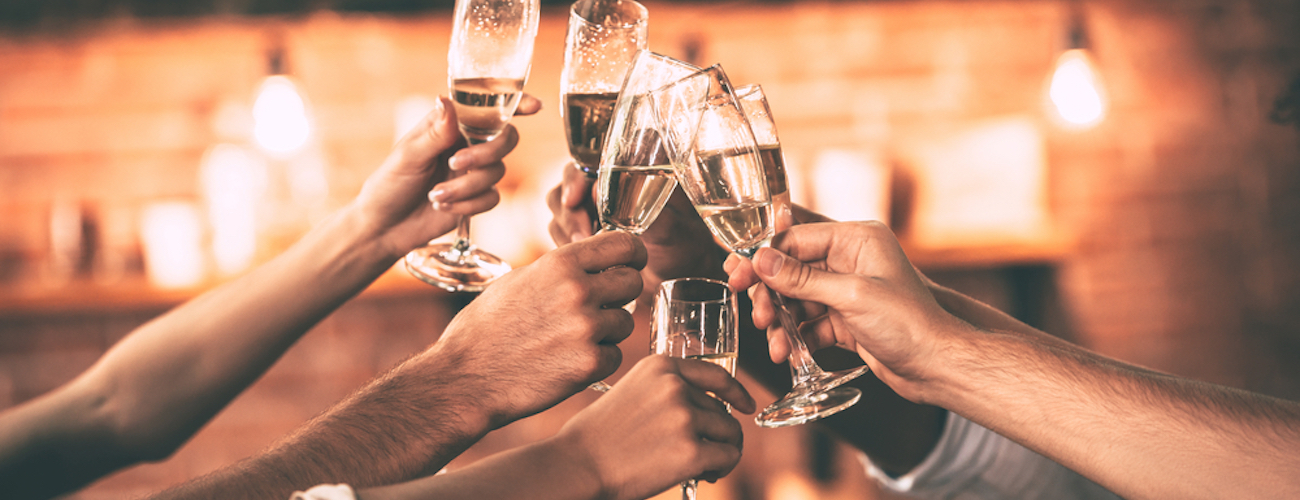
There’s no two ways about it: sparkling wine and Champagne are the best drinks for celebrating!
It’s little wonder that Formula 1 competitors pop a bottle when they take to the podium – there is just nothing that tastes as good as a bubbly.
In this comprehensive guide, we will cover everything you need to know about sparkling wines, Champagne, Prosecco and rosé. We’ll also recommend some of our favourite bottles, based on their sweetness, dryness, and their ability to pair with certain cuisines. In no time, you’ll be well on your way to appreciating your next bubbly like a true connoisseur!
And here’s the best part: you don’t need to jet off to France to find a great bottle. iShopChangi offers a handpicked selection of premium Champagne and sparkling wines—tax-free for travellers and GST-absorbed for non-travellers. From classic French labels to standout Proseccos, your next celebration is just a few clicks away.
First Off: How Do Champagnes And Sparkling Wines Differ?
Sparkling wine is an overarching category comprising various types. Champagne is one of them, referring to sparkling wine made in the Champagne region of France. Production of sparkling wine in the Champagne region has a long history, which is one of the reasons that a lot of sparkling wines are mistaken as Champagne!
But here’s the fizz: while all Champagne is sparkling wine, not every sparkling wine earns the right to be called Champagne. It’s not just about fancy labels or price tags — it comes down to geography, grapes, and good old winemaking traditions.
True and real Champagne only comes from the Champagne region in France and follows strict production rules. We're talking grape varieties like Chardonnay, Pinot Noir, and Pinot Meunier, harvested and blended with precision.
Then comes the legendary Méthode Champenoise—a process where the magic happens during a second fermentation in the bottle. It’s time-consuming, labour-intensive, and oh-so-worth-it.
In contrast, sparkling wines like Prosecco use the Charmat method, where the second bubble-producing fermentation step takes place in large pressurised tanks. It’s faster and keeps the wine bright, fruity, and wallet-friendly.
Where Do Sparkling Wines Come From?
Sparkling wine’s fizzy charm may feel modern, but it’s been bubbling its way through history for centuries.
Fun fact: early winemakers were so baffled by the bubbles that they blamed them on everything from poor winemaking to—you guessed it—evil spirits.
Back then, a sparkling bottle was more of a ticking time bomb than a party starter. One rogue explosion in the cellar could set off a domino effect, wiping out 90% of the stock and scaring the daylights out of everyone nearby. Some poor cellar workers even had to wear iron masks. Not exactly the glamour we associate with Champagne today!
Things took a sparkling turn in the 17th century when stronger glass bottles and cork stoppers were introduced. This let the English get their hands on bottles of wine from France’s Champagne region that had naturally carbonated during shipment. When they popped those bottles open, voilà—bubbles! The world was hooked, and sparkling wine quickly became a global sensation.
Today, sparkling wine isn’t just the pride of Champagne, France. It’s a global affair:
- France – Beyond Champagne, regions like Alsace and the Loire Valley produce top-tier crémant.
- Italy – Home of Prosecco and Franciacorta, plus Trentodoc from the Trentino Alps.
- Spain – Say hola to Cava, made using traditional methods from native grapes.
- Australia – Tasmania is a rising star with award-winning cool-climate bubbly. Who knew?
- USA – California makes everything from crisp sparkling rosés to luxurious brut.
- South Africa – Look out for MCC (Méthode Cap Classique)—same method, sunnier vibes.
|
Champagne |
Sparkling Wine (e.g. Prosecco) |
Region |
Champagne, France |
Various (Italy, Spain, Australia and more) |
Grapes |
Chardonnay, Pinot Noir, Meunier |
Glera (Prosecco), Macabeo, others |
Method |
Méthode Champenoise |
Charmat method |
Fermentation |
In-bottle |
In-tank |
Ageing Time |
Minimum 15 months |
Typically shorter |
Flavour Profile |
Toasty, rich, layered |
Toasty, rich, layered |
From Still to Sparkle: How Sparkling Wine is Made
Let’s get one thing straight — sparkling wine doesn’t just happen. It’s the result of a very intentional (and very clever) process that transforms a quiet, still wine into a bubbly showstopper.
It all begins with the grapes. Once harvested and gently pressed, the juice undergoes its first fermentation—just like still wine. This creates the base wine, or cuvée. Winemakers often blend multiple grape varieties and vintages at this stage to build complexity. Some blends may include dozens—or even hundreds—of different base wines. But you’ll also find varietal sparkling wines made from a single grape, like 100% Chardonnay.
Here’s where the sparkle comes in.
The main difference with sparkling wines from ordinary wines is found in their secondary fermentation process. During the second fermentation, yeast and rock sugar are added to the bottle of cuvee, or grape blend before it’s bottled. Inside that sealed bottle, the yeast feasts on the sugar, producing carbon dioxide that’s trapped—creating those glorious bubbles.
From there, the winemaker takes the bottle through a series of traditional steps:
- Lees ageing: The wine rests on the dead yeast cells (lees), which gives it those signature toasty, creamy notes. Champagne, for example, is aged for a minimum of 15 months—vintage bottles rest for at least 3 years.
- Riddling: Bottles are gradually turned and tilted so the sediment slides down to the neck.
- Disgorgement: The neck is frozen, the sediment is popped out, and the bottle is topped up.
- Dosage: A dash of wine and sugar syrup is added to balance flavour and determine sweetness.
|
Traditional Method |
Charmat Method |
Secondary Fermentation |
In the bottle |
In a pressurised tank |
Texture & Flavour |
Creamy, complex (think brioche) |
Fruity, fresh, light |
Common Examples |
Champagne, Cava, Franciacorta |
Prosecco, Lambrusco |
Ageing Time |
9–36+ months |
Usually a few weeks to months |
Understanding the Sweetness Levels of Champagne
Not all bubbly is created equal — and we're not just talking about price tags or labels.
Champagne comes in a range of sweetness levels, from bone-dry to dessert-sweet, and the amount of sugar added after fermentation determines where it falls on the spectrum.
🍾 Quick Taste Guide (Dry ➝ Sweet) |
Brut Nature → Extra Brut → Brut → Extra Dry → Sec → Demi-Sec → Doux |
Sweetness Level |
Sugar Content |
Taste Profile |
Best With |
Example Bottles on iShopChangi |
Brut Nature / Extra Brut / Brut |
0–12g/L |
Very dry to dry, crisp, citrusy |
Oysters, sashimi, fried chicken, dim sum |
|
Extra Dry / Sec / Demi-Sec |
12–50g/L |
Off-dry to sweet, fruity, balanced |
Spicy dishes, soft cheese, roast duck |
|
Doux |
50g/L and above |
Very sweet, rich, dessert-style |
Cakes, fruit tarts, kuih lapis, on its own |
- |
Is Prosecco Different from Champagne?
Yes! While Champagne is a sparkling wine made in the Champagne region of France, Prosecco is a type of white wine made in several provinces of Italy. Prosecco does not have to be sparkling, but more often than not, it is.
Prosecco usually tastes slightly sweeter than Champagne. It is more likely to be paired with floral, fruity flavours like apple and pear, mixed in with honeydew and fresh cream, while Champagne tends to contain notes of citrus, peach, cherry, almond and toast.
Is Rosé Always a Sparkling Wine?
Rosé can be made sparkling or still, depending on the fermentation process used by the cellar’s vintners. Its colour comes from adding a small portion of the grapes’ skins into the winemaking process, giving it a reddish tint which is slightly softer than standard red wines.
Sparkling rosé has become an increasingly popular choice for formal events and functions in recent years, and you’re more likely to see it served as an alternative to traditional sparkling wines.
For the best of both worlds, try a bottle of Bolle di Borro Metodo Classico Brut Rosé. It’s not just pretty in pink — this old-rose coloured stunner bursts with fine bubbles, fresh red berries, and a zesty citrus finish. It’s dry, structured, and refreshingly crisp, with just enough depth to keep things interesting. Think classy, not candy.
Is ‘Bubbly’ the Same as Champagne?
“Bubbly” usually refers to Champagne, but it can also refer to sparkling wine more broadly. The name “bubbly” refers to the bubbles produced in sparkling wine’s unique fermentation process. Other names for Champagne include its diminutive, “champers”. Similarly, sparkling wine is often shortened to “sparkling”.
So if you see “Champagne” on the label, you’re getting the real-deal French fizz.
If it’s from Italy? You’re probably looking at a Prosecco. From Spain? Cava. From Australia or the US? It’ll simply be labelled sparkling wine. Each one has its own style, vibe, and price tag — and knowing what’s what means you won’t end up overpaying for a “bubbly” that’s not quite Champagne.
Best Champagne Brands To Start With
If you’re a beginner to the Champagne game, start with bottles that balance approachability and flavour without going too heavy on the wallet. But if you’re feeling fancy, there’s always room to indulge in a few icons to guide you through the Champagne world.
Brand |
Why We Recommend It |
A timeless crowd-pleaser from one of the oldest Champagne houses. Expect vibrant fruit notes, hints of toasted nuts and just the right amount of finesse. |
|
Bold, zesty, and creamy. Think juicy lemon and ripe pear dancing with brioche and vanilla – a go-to pick for weddings, anniversaries, or just Tuesdays. |
|
A punchy yet elegant rosé Champagne with spiced notes and a beautiful balance of freshness and structure. A must-try if you love bold flavours. |
|
Glamorous inside and out. Made from rare grape hybrids and bottled in a sparkling crystal-studded showpiece. Sweet, floral and totally celebration-worthy. |
|
The ultimate splurge. Aged to perfection with a signature creamy texture and layers of complexity. Elegant, intense, and undeniably luxurious. |
Best Sparkling Wine Brands To Explore
Not ready to dive straight into Champagne? No problem.
These sparkling stunners from Italy and Spain offer great value, delicious flavour, and plenty of fizz to keep things festive — without the fancy price tag.
- Cinzano Prosecco (Italy): Light, crisp and full of pear and apple notes, this bubbly beauty is made for Aperol Spritzes or a simple toast on a sunny afternoon. Refreshing and fizzy — what more do you need?
- Gran Castillo Rocío Cava Brut (Spain): Think buttery croissant meets elegant bubbles. Fruity, smooth, and oh-so-balanced, this cava is a no-brainer for parties or pre-dinner nibbles.
- Martini Rosé Demi-Sec (Italy): A blushing blend of summer berries, floral hints, and zesty citrus. Perfect chilled in a wine glass or served over ice. It pairs beautifully with seafood — or your next weekend brunch.
Bubbly doesn’t have to break the bank — and these sparkling wines prove just that.
How to Open a Bottle of Champagne (Safely)
Few other alcoholic beverages can claim to be as dangerous as Champagne. The pressure from inside the bottle can cause the cork to eject out of the bottle if it’s not opened properly, leading to all kinds of damage!
Fortunately, there are a few simple steps that can prevent such disasters.
Start by ensuring the bottle is kept cold. As a rule of thumb, the warmer the bottle, the more pressure there is inside it. This means the cork will more likely fly off uncontrolled. Keeping the bottle cool will naturally make the Champagne taste better, too. If you have cooled the bottle in an ice bucket, it will probably be wet, so dry it with a tea towel to prevent it from slipping out of your hands.
Remove the foil surrounding the cork and the cage, which you can do by using a wine key or any other sharp implement.
Untwist the wire of the cage, keeping your other hand on the top of the cork in case it flies off.
Now comes the slightly tricky bit.
With your dominant hand holding the bottom of the bottle, and your non-dominant hand around the cork, gently turn the bottle with your fingertips (keep the cork still in your other hand).
As you turn the bottle, the cork will naturally pull away from it, until it eventually pops off. As your non-dominant hand is holding the cork, it won’t get away from you!
You’ll be left with a satisfying wisp of Champagne fizz and the immense personal satisfaction of opening the bottle like a pro.
What’s the Right Way to Drink Champagne?
Champagne isn’t just a drink — it’s an experience. And if you’re going to pop a bottle, you might as well do it right.
First things first: serve your Champagne chilled, ideally between 8–10°C. Too cold and you mute the flavours; too warm and it’s just sad.
Next, ditch the wide coupe and opt for a tulip glass or flute. The shape keeps the bubbles dancing and funnels those gorgeous aromas straight to your nose.
Pour the Champagne slowly into the glass, filling it approximately ⅔ of the way up. After that, you can drink Champagne in the same way you would appreciate any glass of wine.
- Hold the glass by the stem, to ensure that your fingers don’t heat up the alcohol inside.
- Swirl the Champagne around. This allows oxygen to enter the glass, which activates the rich aromatic body of the drink.
- Put your nose over the top of the glass to make the most of the wonderful scent.
- Sip the Champagne and let it sit on your palate.
Is it dry, or sweet? Gentle or strong? To really get the most out of the flavour, purse your lips and suck in a little oxygen while the Champagne is still in your mouth: the air will interact with the drink and release even more of its delicate notes. As you swallow the Champagne, feel the fizz as it sinks down into your body.
The Right Way to Store Champagne
Storing Champagne doesn’t have to feel like rocket science, but it does make a difference.
- Short-term tip: If you’re popping it within a month, keep the bottle upright at room temperature, away from heat and light. Planning to drink it in the next few days? Chill it in the fridge for 3–4 hours before serving.
- Long-term storage: Thinking of saving it for a special occasion? Lay the bottle on its side in a cool, dark, slightly humid space (around 10–13°C) — just like a Champagne house cellar. And please, avoid temperature swings.
Opened a bottle but didn’t finish it? Keep it chilled with a Champagne stopper, and it’ll stay bubbly for up to 3–5 days.
Best Foods to Pair with Champagne
Champagne pairs well across cuisines and meals. It is most often paired with chicken and seafood, although cheese, cured meats, and light desserts are also popular combinations. Considering that Champagne is typically served at the beginning of an event, try pairing it with entrée dishes, such as the iconic huîtres au Champagne (oysters with Champagne), octopus, or prosciutto-wrapped baked chicken. Caviar, cheese boards and dried fruit platters are also excellent choices for starters.
For main courses, you could try pairing Champagne with lobster, roast chicken, or a light fish such as cod or barramundi. Gran Castillo Rocio Cava Brut, with its crisp bubbles and balanced profile, also pairs beautifully with shellfish or lean fish — making it a great alternative for seafood lovers who enjoy a lighter sparkling option.
When it comes to sweet delicacies, Champagne also works a charm, particularly with the sweeter sec, demi-sec and doux Champagnes on the market. Cakes, chocolate truffles and soufflés are all delicious accompaniments. Alternatively, try a sweet cocktail such as Champagne Zabaglione, which combines Champagne with egg yolks, sugar, water and your choice of strawberries, cherries or peaches.
Champagne isn’t just for fancy dinners and dainty canapés — it’s a true foodie chameleon that plays well with everything from haute cuisine to humble snacks.
Sure, it shines with the classics like oysters, lobster, and roast chicken. But did you know it’s also amazing with fried chicken? The bubbles cut through the grease like a pro, making each bite taste even better. Popcorn? Yes, please — especially the buttery kind. The salt and fizz combo is downright addictive.
For cheese, go with creamy brie, aged parmesan, or even gouda. Got a sweet tooth? Pair a demi-sec or doux Champagne with chocolate truffles, fruit tarts, or fluffy sponge cakes.
Unexpected but unforgettable — Champagne and potato chips. Salty, crispy, bubbly bliss. Don’t knock it till you’ve tried it!
Occasions Worth Celebrating with Champagne
A bottle of Champagne or sparkling wine is a perfect accompaniment to a significant occasion. There is something extremely satisfying about the pop and fizz of opening a bubbly.
The taste and experience naturally adds to the excitement of birthdays, anniversaries, date nights, graduation parties and weddings. For these significant events, Champagne serves not only a delicious beverage, but as an iconic signifier of something worth celebrating.
Occasion |
Recommended Bubbly |
Birthday Bash |
Bottega Stella Millesimato Brut 2021 — crisp, joyful, and star-studded |
Anniversary Dinner |
Moët & Chandon Réserve Impériale — elegant with warm, toasty notes |
Date Night Glow-Up |
Cuvée Prestige Extra Brut Edizione — dry, refined, and oh-so romantic |
Graduation Cheers |
Bottega Stardust Rosé — celebratory sparkle with a side of pink glamour |
Wedding Toast |
Dom Pérignon Vintage 2015 — iconic and unforgettable (like the big day!) |
Festive Feasts |
Inniskillin Sparkling Cabernet Franc Icewine — a sweet surprise for dessert lovers |
Whatever you're celebrating, find the perfect bottle from various brands on iShopChangi — your gateway to duty-free delights and unbeatable bubbly.
Shop Champagne & Sparkling Wines on iShopChangi
Not sure where to buy champagne in Singapore? Look no further than iShopChangi, your one-stop platform for all you need, from beauty and electronics to wines and spirits.
Enjoy the massive savings and convenience that come with online, tax-free and GST-absorbed shopping. Explore the range of some of the best Champagne or sparkling wine brands on offer, and buy a bottle (or three!) for yourself or a friend. Why not stock up for intimate home parties too? Stay safe indoors and never be out of fun!
Plus, you can make the most of free delivery to Singaporean addresses with a minimum spend of S$59! Check out our catalogue now and celebrate your next special occasion with style.
Keep your eyes peeled for our latest promotions as well!
For more updates on our latest deals, new arrivals, giveaways and more, like and follow us on @iShopChangi’s Facebook and Instagram pages.
YOU MAY ALSO LIKE
Table of Contents

