#ALERT: Unauthorized sellers on marketplace platforms are impersonating iShopChangi. Please purchase only from our official website, iSho...
Show More
More







MUSEUMMARTKET
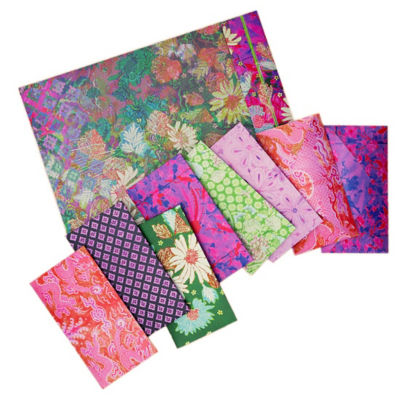
NATIONAL COLLECTION X MUSEUM MARTKET AUSPICIOUS RED PACKETS PACK OF 8
You Pay:S$59.00
Total Savings:S$5.31
GST Free:S$5.31
Estimated CR Points:
Earn 50 Points
Shop from 30 days to 12 hours before your flight for Lotte and Shilla products. Some merchants may need up to 72 hours' notice. Collect your orders at the iShopChangi Collection Centre in the Departure transit area. Brand paper bags are not provided.
Copied! In-store price assurance
 30 days refund*
 Authenticity guaranteed
Get S$20 off* on your first purchase with code ISCNEW20.
Tap to copy code & paste at checkout. *Valid with S$79 spend. T&Cs apply.
iShopChangi's Guarantee
In-store price assurance30 days refund*Authenticity guaranteed Shop from 30 days to 12 hours before your flight for Lotte and Shilla products. Some merchants may need up to 72 hours' notice. Collect your orders at the iShopChangi Collection Centre in the Departure transit area. Brand paper bags are not provided.
Fulfilled by:
quantity
Limited Availability
Learn more about the item
Design of reversible red packets inspired by:
SARONG, OEY KOK SING
(NEE KHO T JING NIO,1896-1966)
Java, Pekalongan, 1940
Cotton (drawn batik), synthetic dyes
Collection of Peranakan Museum :
2017-00341
Gift of Ika, Meila, and Inge Hendromartono in memory of their parents Liem Siok Hien and Jane Hendromartono, grandmother Mrs Oey Kok Sing, and great grandmother Mrs Oey Soen King
Oey Kok Sing was the daughter of Oey Soen King. She embraced the use of synthetic dyes, which were available in Java by late 19th Century.
DRAGON ROBE
China, Qing dynasty
(Kangxi period, 1662-1722)
Robes
Collection of Asian Civilisations Museum
2009-02961
This imperial dragon robe features nine dragons amid stylised clouds, with motifs of waves and mountains at the hem. The dragons are five-clawed, a type reserved for the emperor and his imeediate family. The robe is a jifu, which was worn at court for semi-formal occasions during the Manchi-led Qing dynasty (1644-1911)
KANTHA EMBROIDERY WITH FLORAL MOTIFS
West Bendal, India 20th Century Embroidery
Collection of Indian Heritage Centre
2013-00525
Kantha is a form of quilted embroidery skillfully crafted by the women of Bengal,India. These artisans create a range of items, including bedspreads, wraps and book or mirrow covers, intended for domestic use or as thoughtful gifts. Kantha pieces draw inspiration form a diverse array of influences, encompassing rural scenes city life, modernization, mytho-logical narratives, and the incorporation of floral and vine motifs. Utilizing recycled cloth and yarn sourced from old saris, these intricate works exemplify a harmonious blend of tradition and sustainability. In this example, large floral motifs placed within squares from a repetitive pattern.
TELIA RUMAL SARI
Andhra Pradesh, South India, 20th century
Textile
Collection of Indian Heritage Centre
2013-00564
Featuring a recurring stepped square pattern, this is a double ikat Telia Rumal sari. Also known as the "Asia Rumal " , the Telia Rumal represents an ikat style primarily crafted for local use and trade within the Andhra region of South India . The art of ikat, a technique wherein both wrap and weft threads are tie-dyed to create predetermined patterns when woven, found extensive practise in India. The city of Masulipatnam, recognised as a pivotal center for trade and textile production, gained prominence for the Telia Rumal - a versatile cloth serving various purpose like a loin cloth, lungi , turban, or draped as a sari.
LONG ROBE
Malacca, early mid-20th century
Silk, metal thread
Collection of Peranakan Museum
2011-01803
This turquoise damask silk robe is richly embroidered with auspicious symbols in silk and gold thread couching on the bottom half. It features the crane at the sides which symbolises both status and longevity. This robe would have been worn by the groom.
SARONG
Java, 1930s-60s
Textile
Collection of Asian Civilisation Museum
2007-00208
Gift of Anne Soh Gwek Shin
This sarong would have been worn by a nyonya (Peranakan woman) under a kebaya. It features a large floral bouquet in the dark green central panel and a lattice design on the rest of the body. The design structure a wide central panel framed by narrower borders is distinct to batik sarongs worn by the Chinese and European communities in Singapore. Nyonya style sarongs are know for their bright and colourful designs, made possible by chemical dyes imported from Europe in the 19th century. :
SARONG, OEY KOK SING
(NEE KHO T JING NIO,1896-1966)
Java, Pekalongan, 1940
Cotton (drawn batik), synthetic dyes
Collection of Peranakan Museum :
2017-00341
Gift of Ika, Meila, and Inge Hendromartono in memory of their parents Liem Siok Hien and Jane Hendromartono, grandmother Mrs Oey Kok Sing, and great grandmother Mrs Oey Soen King
Oey Kok Sing was the daughter of Oey Soen King. She embraced the use of synthetic dyes, which were available in Java by late 19th Century.
DRAGON ROBE
China, Qing dynasty
(Kangxi period, 1662-1722)
Robes
Collection of Asian Civilisations Museum
2009-02961
This imperial dragon robe features nine dragons amid stylised clouds, with motifs of waves and mountains at the hem. The dragons are five-clawed, a type reserved for the emperor and his imeediate family. The robe is a jifu, which was worn at court for semi-formal occasions during the Manchi-led Qing dynasty (1644-1911)
KANTHA EMBROIDERY WITH FLORAL MOTIFS
West Bendal, India 20th Century Embroidery
Collection of Indian Heritage Centre
2013-00525
Kantha is a form of quilted embroidery skillfully crafted by the women of Bengal,India. These artisans create a range of items, including bedspreads, wraps and book or mirrow covers, intended for domestic use or as thoughtful gifts. Kantha pieces draw inspiration form a diverse array of influences, encompassing rural scenes city life, modernization, mytho-logical narratives, and the incorporation of floral and vine motifs. Utilizing recycled cloth and yarn sourced from old saris, these intricate works exemplify a harmonious blend of tradition and sustainability. In this example, large floral motifs placed within squares from a repetitive pattern.
TELIA RUMAL SARI
Andhra Pradesh, South India, 20th century
Textile
Collection of Indian Heritage Centre
2013-00564
Featuring a recurring stepped square pattern, this is a double ikat Telia Rumal sari. Also known as the "Asia Rumal " , the Telia Rumal represents an ikat style primarily crafted for local use and trade within the Andhra region of South India . The art of ikat, a technique wherein both wrap and weft threads are tie-dyed to create predetermined patterns when woven, found extensive practise in India. The city of Masulipatnam, recognised as a pivotal center for trade and textile production, gained prominence for the Telia Rumal - a versatile cloth serving various purpose like a loin cloth, lungi , turban, or draped as a sari.
LONG ROBE
Malacca, early mid-20th century
Silk, metal thread
Collection of Peranakan Museum
2011-01803
This turquoise damask silk robe is richly embroidered with auspicious symbols in silk and gold thread couching on the bottom half. It features the crane at the sides which symbolises both status and longevity. This robe would have been worn by the groom.
SARONG
Java, 1930s-60s
Textile
Collection of Asian Civilisation Museum
2007-00208
Gift of Anne Soh Gwek Shin
This sarong would have been worn by a nyonya (Peranakan woman) under a kebaya. It features a large floral bouquet in the dark green central panel and a lattice design on the rest of the body. The design structure a wide central panel framed by narrower borders is distinct to batik sarongs worn by the Chinese and European communities in Singapore. Nyonya style sarongs are know for their bright and colourful designs, made possible by chemical dyes imported from Europe in the 19th century. :
PageMetaconfiguration

