提醒:目前有商家未经授权冒用iShopChangi名义销售商品。iShopChangi仅通过官网iShopChangi.com及樟宜我爱购微信小程序销售,未授权任何其他渠道。请认准官方,谨防非正规渠道购买。

PageMetaconfiguration

1
1
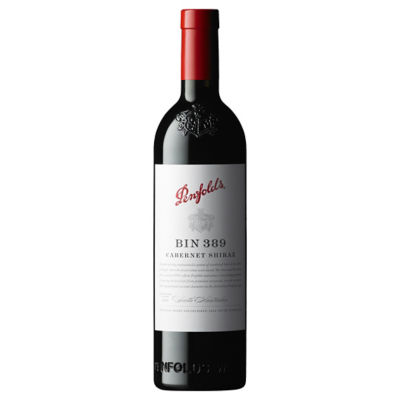
S$122.00
S$135.00
选项
数量
与门店同价保证
30日退款保证*
正品保证
S$122.00
S$135.00
数量
 与门店同价保证
 30日退款保证*
 正品保证
正品保证
了解更多商品信息
Bin 389 was often referred to as ‘Baby Grange’, in part because components of the wine are matured in the same barrels that held the previous vintage of Grange.
First made in 1960 by the legendary Max Schubert, this was the wine that helped forge Penfolds reputation with red wine drinkers by combining the structure of cabernet sauvignon with the richness of shiraz. Exemplifying the judicious balance of fruit and oak, Bin 389 highlights the generous mid-palate Penfolds is known for.
Relatively dry conditions coupled with near long-term winter/spring temperatures indicated an early start to the growing season. However, a spell of cold weather in November slowed grapevine development. Warm and sunny weather prevailed throughout spring providing optimal conditions for flowering and fruit-set. Barossa Valley experienced 22 days of temperature greater than 35°C in summer, while McLaren Vale experienced 17 days greater than 35°C. Coonawarra, Robe and Wrattonbully also had a warm, dry growing season by regional standards. Late flowering and the delayed onset of veraison throughout the south-east slowed harvest by a few weeks. The warm, dry weather carried into autumn, setting up an Indian summer with favourable conditions for ripening grapes. A fine vintage for all Penfolds South Australian growing regions.
Balance of the sweet (cabernet) and the savoury (shiraz). Possesses what has now often been referred to as a black forest cake 2018 vintage flavour profile.
Darker fruits – closer to that of a black cherry liqueur than a crème de cassis component of Kir.
Flavours of roasted beetroot – a venison sauce beetroot reduction, similar texturally to a congealed sweet fat (a custardy emulsion/film – not a grainy paste). Oak and tannins absorbed. Both are certainly present, yet not at all demanding their own space on this Bin 389 stage. Substantial, intense.
First made in 1960 by the legendary Max Schubert, this was the wine that helped forge Penfolds reputation with red wine drinkers by combining the structure of cabernet sauvignon with the richness of shiraz. Exemplifying the judicious balance of fruit and oak, Bin 389 highlights the generous mid-palate Penfolds is known for.
Relatively dry conditions coupled with near long-term winter/spring temperatures indicated an early start to the growing season. However, a spell of cold weather in November slowed grapevine development. Warm and sunny weather prevailed throughout spring providing optimal conditions for flowering and fruit-set. Barossa Valley experienced 22 days of temperature greater than 35°C in summer, while McLaren Vale experienced 17 days greater than 35°C. Coonawarra, Robe and Wrattonbully also had a warm, dry growing season by regional standards. Late flowering and the delayed onset of veraison throughout the south-east slowed harvest by a few weeks. The warm, dry weather carried into autumn, setting up an Indian summer with favourable conditions for ripening grapes. A fine vintage for all Penfolds South Australian growing regions.
Balance of the sweet (cabernet) and the savoury (shiraz). Possesses what has now often been referred to as a black forest cake 2018 vintage flavour profile.
Darker fruits – closer to that of a black cherry liqueur than a crème de cassis component of Kir.
Flavours of roasted beetroot – a venison sauce beetroot reduction, similar texturally to a congealed sweet fat (a custardy emulsion/film – not a grainy paste). Oak and tannins absorbed. Both are certainly present, yet not at all demanding their own space on this Bin 389 stage. Substantial, intense.
制造商:PENFOLDS
年份:2022
外观:
深红色葡萄酒
酒精度:14.5
国家:澳大利亚
品种:赤霞珠
特点:
甜度
果酱和巧克力
不甜
甜型
单宁
单宁含量高
单宁含量低
单宁含量高
酒体
浓郁醇度酒体
轻薄纯度酒体
中等醇度酒体
浓郁醇度酒体
口味:
Flavours of roasted beetroot – a venison sauce beetroot reduction, similar texturally to a congealed sweet fat (a custardy emulsion/film – not a grainy paste). Oak and tannins absorbed. Both are certainly present, yet not at all demanding their own space on this Bin 389 stage. Substantial, intense.
口味可能因人而异
配餐推荐:
牛肉
羊肉
家禽
专家评价:
The Bin 389 is sometimes nicknamed ‘baby Grange’ and apparently it uses some of the barrels used in the previous vintage Grange. I’ll reserve judgment about that until I can try a Grange , but this blend more than stands on its own! Complex, seductive nose with vanilla, blackberry, black currant, black cherry, coffee, eucalyptus and menthol followed by an intense, concentrated palate with perfect acidity, very dry tannins, vanilla, black currant, black cherry, bramble, leather, toasted oak and impressive finish.
背景:
First made in 1960 by the legendary Max Schubert, this was the wine that helped forge Penfolds reputation with red wine drinkers by combining the structure of cabernet sauvignon with the richness of shiraz. Exemplifying the judicious balance of fruit and oak, Bin 389 highlights the generous mid-palate Penfolds is known for.Relatively dry conditions coupled with near long-term winter/spring temperatures indicated an early start to the growing season. However, a spell of cold weather in November slowed grapevine development. Warm and sunny weather prevailed throughout spring providing optimal conditions for flowering and fruit-set. Barossa Valley experienced 22 days of temperature greater than 35°C in summer, while McLaren Vale experienced 17 days greater than 35°C. Coonawarra, Robe and Wrattonbully also had a warm, dry growing season by regional standards. Late flowering and the delayed onset of veraison throughout the south-east slowed harvest by a few weeks. The warm, dry weather carried into autumn, setting up an Indian summer with favourable conditions for ripening grapes. A fine vintage for all Penfolds South Australian growing regions.Balance of the sweet (cabernet) and the savoury (shiraz). Possesses what has now often been referred to as a black forest cake 2018 vintage flavour profile.Darker fruits – closer to that of a black cherry liqueur than a crème de cassis component of Kir.Flavours of roasted beetroot – a venison sauce beetroot reduction, similar texturally to a congealed sweet fat (a custardy emulsion/film – not a grainy paste). Oak and tannins absorbed. Both are certainly present, yet not at all demanding their own space on this Bin 389 stage. Substantial, intense.

